- Nov 07, 2026
Towhid Hridoy's 150 Helps Bangladesh Recover as Sylhet Test Intensifies
- Nov 07, 2026
- Sports
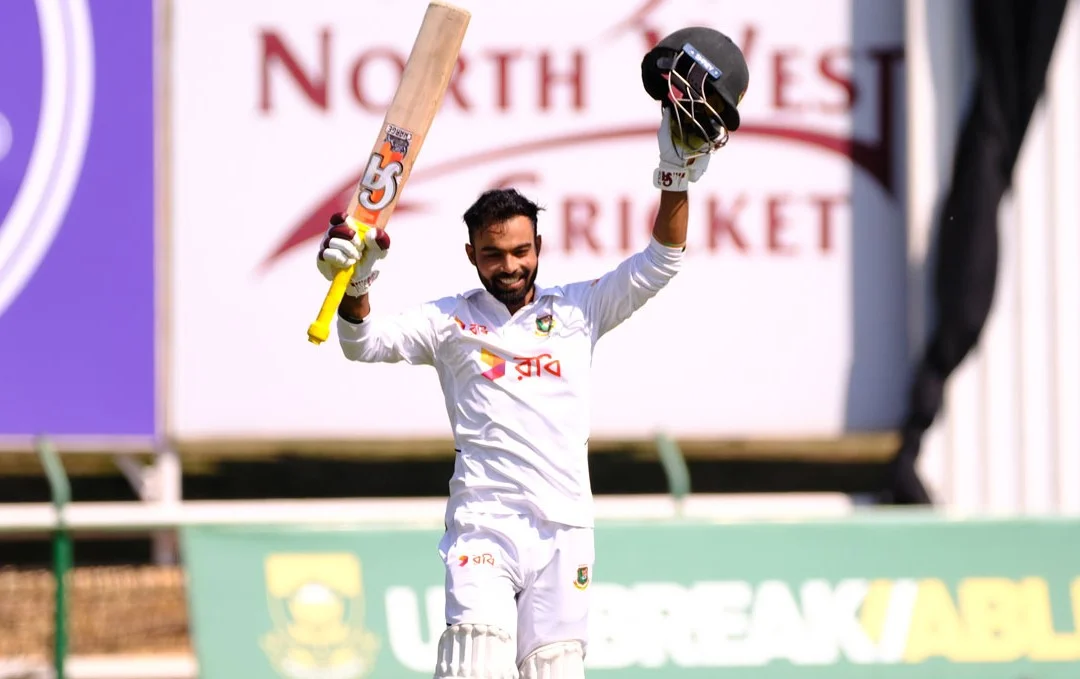
PNN News Desk | Sylhet
Bangladesh came under pressure after losing quick wickets at the beginning of the third day of the Sylhet Test. At one stage, there were concerns that the team's innings could collapse rapidly. However, Towhid Hridoy rescued the side from the difficult situation with a remarkable batting display, holding one end firmly. The batter converted his maiden Test century into a magnificent 150. His outstanding innings helped Bangladesh return to the contest.
Play on Saturday (November 7), the third day of the Test, began with Bangladesh resuming at 88 for three wickets from the previous day's total. Hridoy, who was unbeaten on 29, was joined at the crease by Mushfiqur Rahim, who had finished the previous day on 16.
The pair initially raised hopes with their batting at the start of the day. However, that momentum was interrupted when Mushfiqur was dismissed for 34.
Litton Das came to the crease next. While Hridoy brought up his first Test half-century, Litton attempted to increase the scoring rate with aggressive batting. Although he struck two boundaries, he could not remain at the crease for long.
Attempting to drive a full-length delivery outside the off stump, Litton edged the ball to Brandon King at cover. His innings ended at just eight runs.
Following Litton's departure, Mehidy Hasan Miraz also failed to build a substantial innings. He returned to the pavilion after scoring 16 runs. As Bangladesh continued to lose wickets and pressure mounted on the innings, Hridoy maintained his composure and continued batting with patience and determination.
Taijul Islam provided him with valuable support at the other end. Their partnership gradually helped Bangladesh find a way back into the match. Hridoy continued to build his innings, crossing the 150-run milestone after first reaching his maiden Test century.
At the time of writing, Bangladesh had scored 283 runs for the loss of seven wickets. Riding on Hridoy's outstanding innings, Bangladesh has once again established a competitive contest in the Sylhet Test.

প্লিজ লগইন পোস্টে মন্তব্য করুন!
আপনিও পছন্দ করতে পারেন


- Nov 04, 2026
Raphinha Scores Twice as Barcelona Defeat Ast...
- Nov 04, 2026
Evidence of Sexual Harassment of Female Crick...
- Oct 31, 2026
Rain Halts West Indies' Run Chase; Visitors N...

- Oct 31, 2026