- Apr 16, 2026
The Future of India’s Digital Identity: Opportunities and Risks in the New Aadhaar App
- Feb 10, 2026
- Technology
Staff Report: PNN
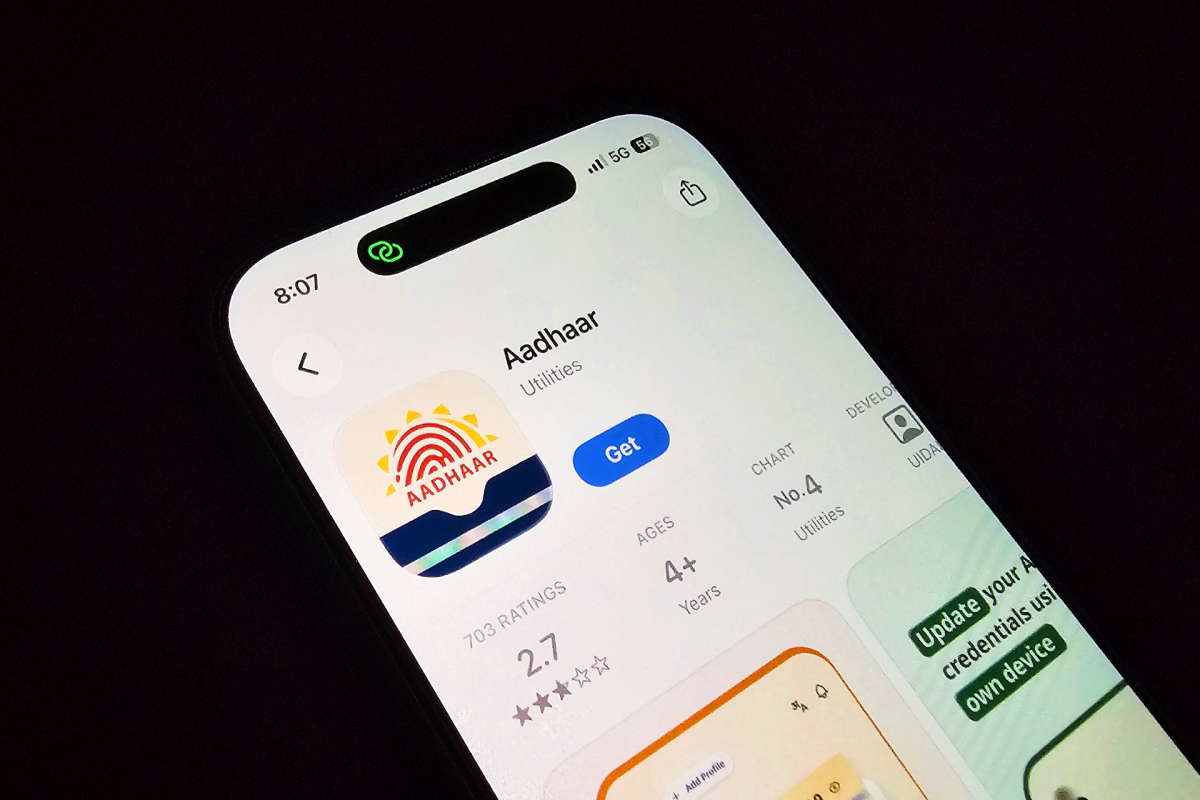
India’s Aadhaar, the world’s largest digital identity system, is being integrated more deeply into daily personal and private sector activities by the government. A new Aadhaar app and offline verification facilities have been introduced to increase usage, raising new questions regarding security, consent, and limits on data usage.
At the end of January, the Unique Identification Authority of India (UIDAI) announced this initiative. The new app allows identity verification without direct access to the central Aadhaar database. Offline verification is also being introduced.
With the new app, users can share limited information according to need. For example, someone could verify that they are above a certain age without revealing their full birthdate. This can be used for hotels, residential areas, workplaces, digital platforms, or payment devices. The previous “mAadhaar” app remains operational for now.
Efforts are also underway to integrate Aadhaar into mobile wallets. Samsung Wallet already offers this feature, while Google Wallet integration is in the final stages, and discussions are ongoing for Apple Wallet.
UIDAI is promoting this technology in law enforcement and hospitality sectors. For example, the Ahmedabad City Crime Branch in Gujarat has added Aadhaar-based offline verification to its guest surveillance platform “Pathik,” which tracks guests in hotels and guesthouses.
The new app can also serve as a digital visiting card, allowing QR code-based exchange of selected personal information during meetings or networking.
UIDAI officials stated that offline and consent-based verification reduces the risks associated with using photocopies or screenshots of Aadhaar cards. Users control which information they share.
Statistics show that the app has quickly gained popularity. According to app store analysts, it surpassed downloads of the old mAadhaar app within a short time after its release at the end of 2025. Monthly downloads of Aadhaar-related apps have increased nearly fourfold in recent months.
Currently, over 1.4 billion Aadhaar numbers have been issued, with roughly 25 billion verifications conducted each month. Although Aadhaar was primarily an infrastructural backend for many years, the new initiative makes it more visible in everyday life.
Human rights and digital rights organizations have expressed concern. They claim that India’s data protection framework is not yet fully effective, and expanding Aadhaar into the private sector could introduce new risks. Lawyers and rights activists highlight issues such as incorrect data, security flaws, and the lack of effective remedies for affected individuals, which may disproportionately affect marginalized populations.
Some civil society organizations argue that the offline verification system could conflict with previous Supreme Court rulings, effectively making Aadhaar unavoidable in daily life—a process they call “Aadhaar creep.”
Overall, the new app, policy relaxation, and technological expansion are making Aadhaar an integral part of daily life in India. Governments and tech companies worldwide are closely watching this experience to assess both the potential and risks of large-scale digital identity systems.

প্লিজ লগইন পোস্টে মন্তব্য করুন!
আপনিও পছন্দ করতে পারেন


- Apr 16, 2026
Live Nation found guilty of monopolistic busi...

- Apr 15, 2026
New biohybrid brain device prepares for human...

- Apr 15, 2026
Debate over AI sector valuation: OpenAI vs An...

- Apr 14, 2026