- Jun 27, 2026
Religious gatherings resume in East Jerusalem and the West Bank after U.S.–Iran ceasefire announcement
- Apr 14, 2026
- International
International Desk: PNN
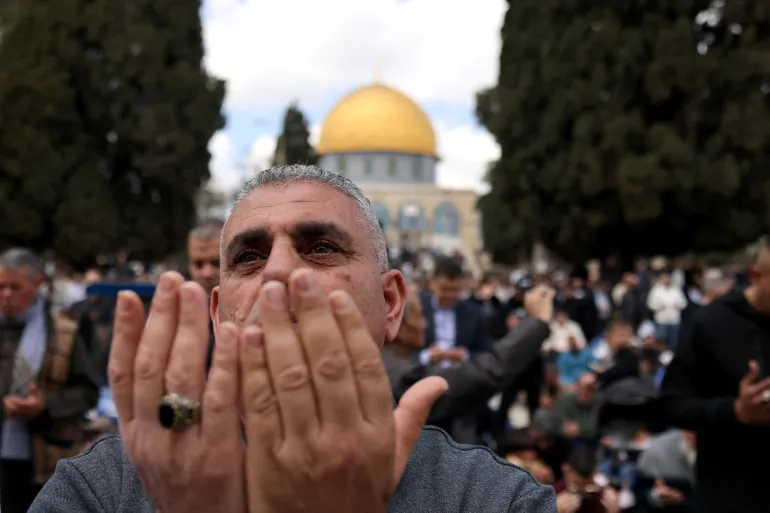
Following the announcement of a ceasefire between the United States and Iran, religious activities have resumed at holy sites in occupied East Jerusalem and the West Bank. Several movement restrictions have also been eased.
On April 9, after a long shutdown due to conflict, more than 100,000 worshippers attended Friday prayers at the Al-Aqsa Mosque. At the same time, the Church of the Holy Sepulchre was reopened after being closed ahead of Easter celebrations.
Although religious life has resumed, tensions remain high. Strong security presence was observed in various areas, and there were reports of repression against Palestinian scouts in some events.
Reports indicate that Israeli security forces removed Palestinian flag symbols from several events and detained some scout members.
At the same time, tensions increased again due to visits by Israeli settler groups to the Al-Aqsa compound. Israel’s National Security Minister Itamar Ben-Gvir reportedly entered the site under security protection and carried out religious activities.
He stated from the site that Jewish worship presence there is becoming more normal, a claim that remains highly controversial.
The government of Jordan condemned these incidents as violations of international law and called for the preservation of the site’s historical status quo.
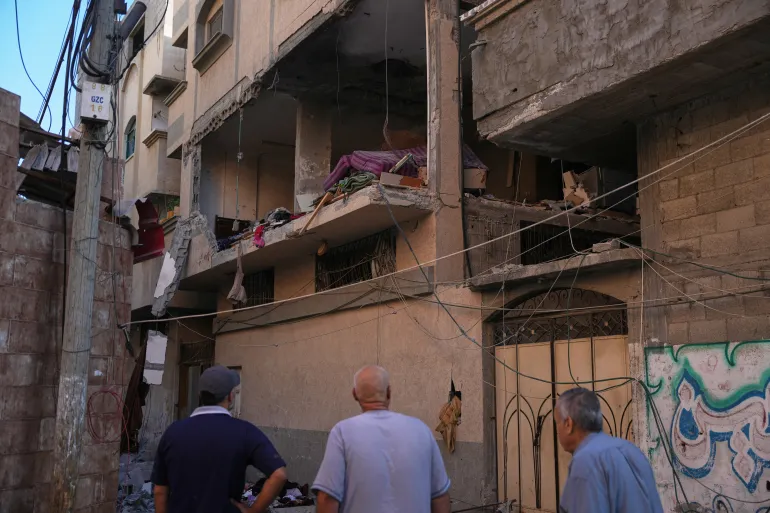
Meanwhile, violence continues in the Gaza Strip. In recent days, several Palestinians, including journalists and children, have been killed in air and drone strikes.
According to health authorities, thousands have been killed and injured in the ongoing conflict, and many people have been displaced.
The humanitarian situation is worsening rapidly. Shortages of medical services, fuel, and food are making daily life extremely difficult. Hospitals are facing electricity shortages, severely affecting treatment for critical patients.
Violence also continues in the West Bank. Expansion of settlements and military operations have raised international concerns, with human rights organizations describing these actions as violations of international law.
Analysts say that despite ceasefire announcements, the situation has not returned to normal and is instead becoming increasingly complex politically, religiously, and in terms of security.

প্লিজ লগইন পোস্টে মন্তব্য করুন!
আপনিও পছন্দ করতে পারেন

- Jun 27, 2026
Severe Heatwave Across Europe Due to Climate...
- Jun 27, 2026
Venezuela Earthquakes Kill More Than 900, Tho...
- Jun 27, 2026
Renewed U.S.–Iran Tensions in the Strait of H...
- Jun 20, 2026