- Jun 17, 2026
Middle East in Flames: Iran Unwilling to Sign Peace Deal Amid Escalating Conflict
- Jun 16, 2025
- International
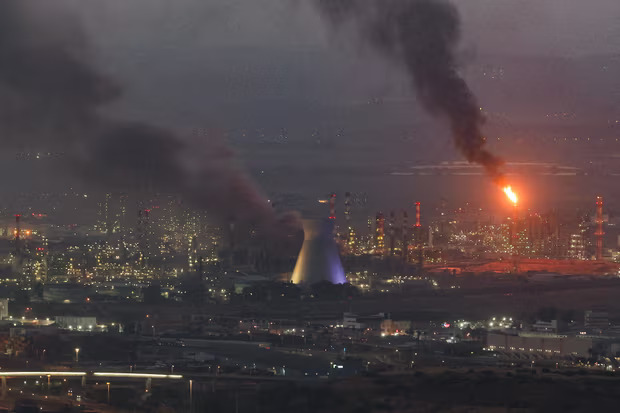
The situation in the Middle East continues to escalate rapidly, as Iran maintains an aggressive stance in its ongoing conflict with Israel. Tehran’s reluctance to agree to a ceasefire has sparked growing concern among the international community, particularly as Western diplomats push for de-escalation through diplomacy.
Amid heightened tensions, Iran has launched a series of missile strikes, causing severe damage in northern Israel. In response, Tel Aviv has retaliated with continuous artillery and aerial assaults, resulting in prolonged and intense exchanges between the two sides over several days.
Despite multiple ceasefire proposals from the United Nations and the European Union, Iran has consistently rejected diplomatic overtures. In a statement issued by the Iranian Ministry of Foreign Affairs, Tehran reiterated:
“There will be no compromise if our security is threatened. Resistance remains our principle.”
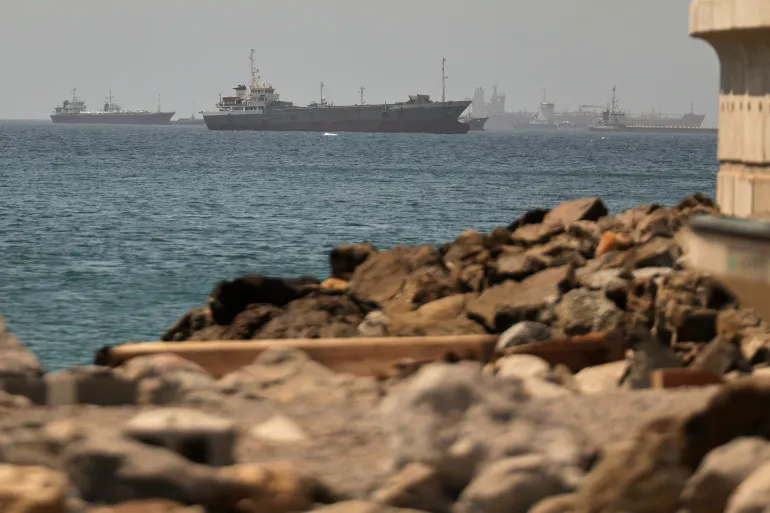
Analysts warn that Iran’s uncompromising position poses a serious threat to regional and global stability. The ongoing conflict is already beginning to impact oil supplies and key international trade routes, raising alarms across global markets.
Meanwhile, the United States and the UN Security Council have expressed deep concern over the developments, with reports suggesting possible new troop deployments in the region. There is increasing fear that a direct war between Iran and Israel could escalate into a larger international conflict.
Although citizens around the world are united in calling for peace, diplomatic resolutions remain elusive. The international community now waits anxiously to see how Tehran responds next—a response that may determine the fate of a region already teetering on the edge of war.
Photo Credit: Ahmad Gharabli / AFP / Getty Images

প্লিজ লগইন পোস্টে মন্তব্য করুন!
আপনিও পছন্দ করতে পারেন
- Jun 17, 2026
Trump-Backed Mike Collins Wins Georgia Runoff...
- Jun 17, 2026
Iranian Politics Divided Over Possible Agreem...

- Jun 17, 2026
Brazilian MP Eduardo Bolsonaro Convicted for...
- Jun 15, 2026