- Apr 30, 2026
Japanese Prime Minister announces snap election, promises two-year food tax relief
- Jan 20, 2026
- Business
Staff Report: PNN
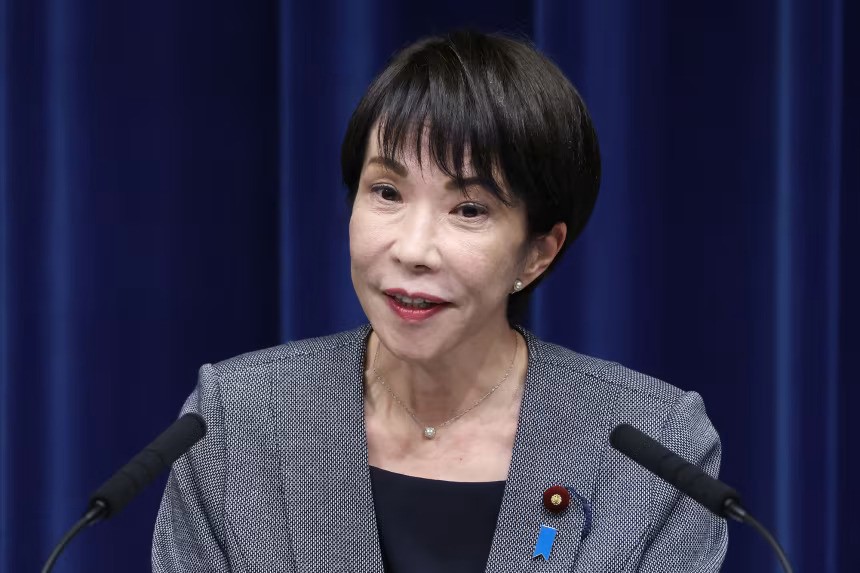
Japanese Prime Minister Sanae Takaichi has suddenly announced a general election on Monday. Simultaneously, she promised to suspend the 8 percent consumption tax on food items for the next two years. While opposition parties have made similar proposals, analysts fear this decision could place additional pressure on the country’s fragile economy.
Currently, Japan imposes an 8 percent consumption tax on food items and a 10 percent tax on other goods and services. With the rapidly growing elderly population, a large portion of social security spending comes from this tax. However, rising living costs have prompted politicians to propose tax relief to ease the burden on citizens.
Prime Minister Takaichi stated that suspending the food tax for two years would give families some relief from the shock of inflation. However, the government would not take new loans to implement the tax relief, opting instead for alternative measures such as revising existing subsidies and expenditures.
During the press conference, Takaichi said, “We will implement major reforms in past economic and financial policies. My government will eliminate excessive rigidity and future investment gaps.”
The announcement immediately impacted the market. The possibility of tax relief and expectations of more expansionary fiscal policies after the election caused the yield on 10-year Japanese government bonds to rise to 2.275 percent, the highest in 27 years.
However, some economists have expressed concern over this decision. Keiji Kanda, a senior economist at the Daiwa Institute of Research, said, “The government has already introduced large stimulus packages to combat high inflation. I do not see the need to reduce consumption tax further. This could increase inflation and push bond yields even higher.”
Before the upcoming election on February 8, opposition parties have already started competing on tax reduction. A newly formed opposition coalition has demanded complete abolition of the 8 percent tax on food, suggesting that a new sovereign fund could be created to generate revenue. The Democratic Party for the People and other opposition parties also support reducing or eliminating taxes.
It is noteworthy that for nearly four years, inflation in Japan has remained above the 2 percent target set by the central bank, mainly due to high food prices. To address public discontent, politicians are pushing for tax relief and increased spending.
However, the ruling Liberal Democratic Party has long opposed tax cuts, arguing that it could undermine financial discipline and market confidence in Japan’s commitments. According to official estimates, removing the 8 percent tax on food alone would reduce annual revenue by about 5 trillion yen, roughly equal to the country’s annual education expenditure. Experts warn that permanent tax relief could put additional pressure on Japan’s fragile economy and increase investor concerns.

প্লিজ লগইন পোস্টে মন্তব্য করুন!
আপনিও পছন্দ করতে পারেন

- Apr 30, 2026
New relaxation in bonus policy to boost motiv...

- Apr 29, 2026
Soybean oil supply shortage increasing, marke...

- Apr 29, 2026
Savings certificates gaining popularity as sa...
- Apr 29, 2026