- May 11, 2026
Iran Strike Sends a Global Message: Will North Korea Expand Its Nuclear Arsenal?
- Jun 26, 2025
- International
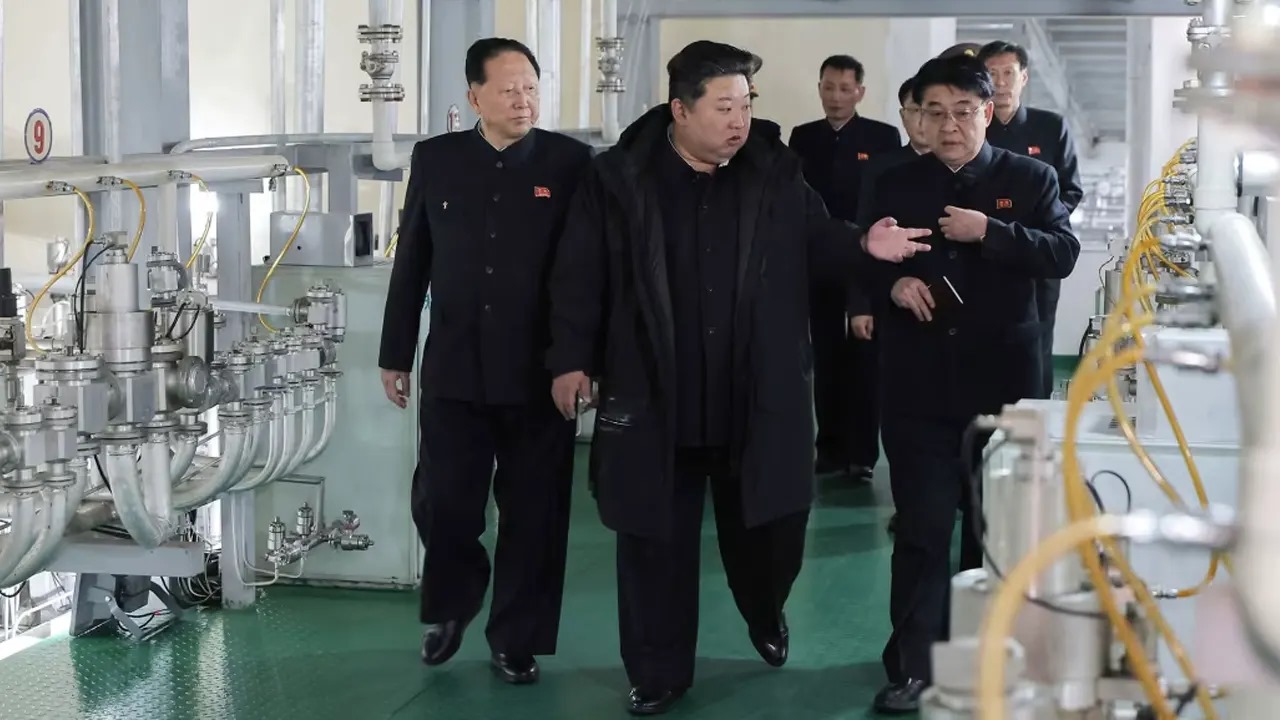
The recent Israeli airstrikes on Iran’s nuclear facilities—backed by the United States’ B-2 stealth bombers using powerful "bunker-buster" bombs—have sent a chilling message across the globe. As the Western world reiterates its determination to prevent Iran from becoming a nuclear power, experts warn that Pyongyang is watching and learning.
A report by CNN highlights how the strike has unsettled emerging powers, particularly in East Asia. In response, North Korean leadership may accelerate its nuclear weapons program, interpreting the attack as a signal that only nuclear deterrence can safeguard a regime against Western intervention.
According to international analysts, Washington's military action could reinforce North Korea’s long-standing belief that nuclear weapons are the ultimate guarantee of sovereignty. The Kim Jong-un regime, already facing intense pressure and isolation, may view Iran’s vulnerability as a cautionary tale—and strengthen its defense cooperation with countries like Russia.
“This strike could be the moment North Korea decides that diplomacy is no longer viable,” said one East Asian policy analyst. “Instead, they may deepen their alignment with other authoritarian regimes and double down on nuclear development.”
In recent months, Pyongyang has already taken steps toward reactivating its long-range missile test sites and has increased joint military exercises with Russian and Chinese partners.
The strategic message from the Western alliance is clear: countries seeking nuclear weapons will face real consequences. But the unintended consequence may be pushing others—like North Korea—further into isolation and militarization.
As global tensions rise and the Iran-Israel conflict drags on, North Korea’s next move could reshape the strategic balance in East Asia, creating new challenges for both diplomacy and regional security.

প্লিজ লগইন পোস্টে মন্তব্য করুন!
আপনিও পছন্দ করতে পারেন

- May 11, 2026
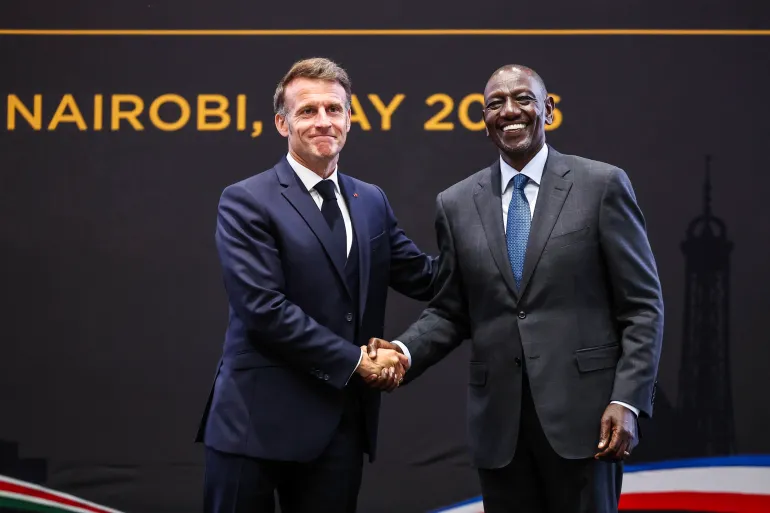
Kenya to host Africa Forward Summit in joint...
- May 11, 2026
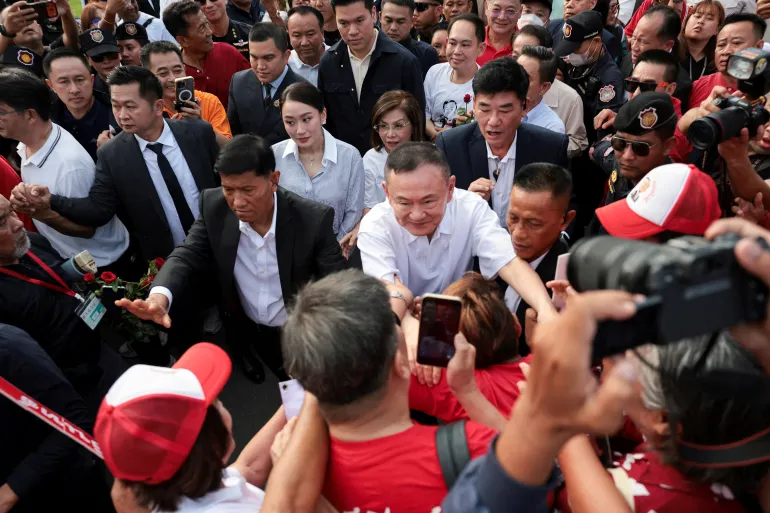
Former Thai Prime Minister Thaksin Shinawatra...

- May 11, 2026
Impeachment against Vice President Sara Duter...
- May 09, 2026