- Jul 01, 2026
Experts: MPP crucial to sustaining competition in renewable energy
- Dec 04, 2025
- Business
Staff Report: PNN
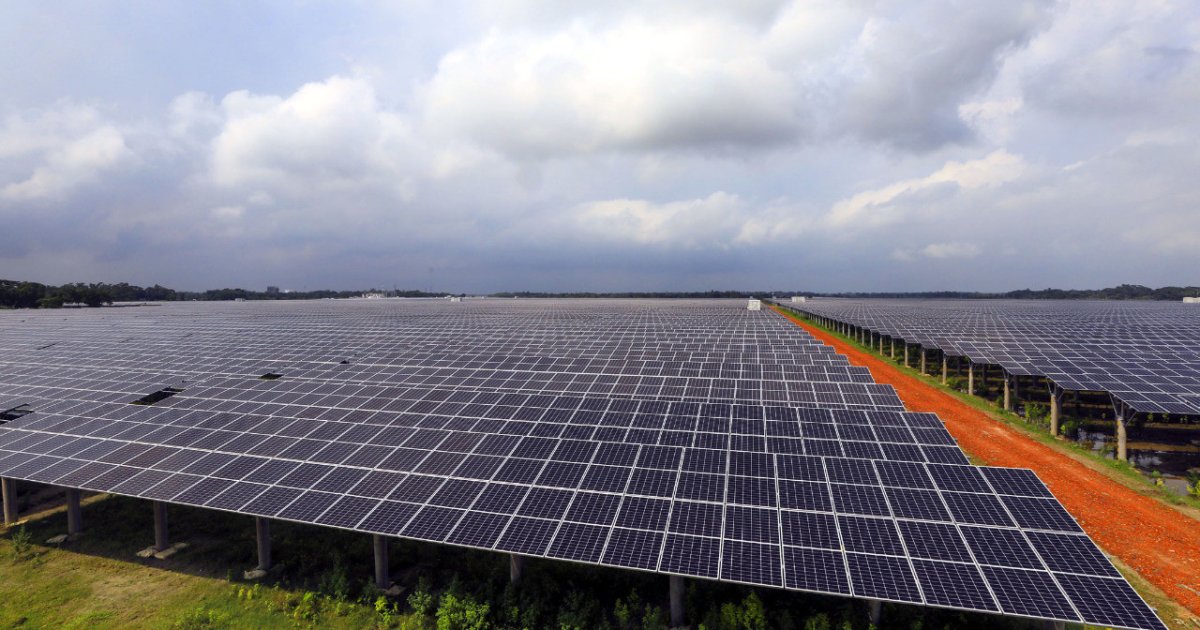
The government recently approved the Merchant Power Policy (MPP) for private renewable energy production and direct sales to consumers. Under this policy, investors can produce renewable energy independently, and consumers can buy electricity directly from these companies.
However, several challenges remain in policy implementation: wheeling charges, grid loss calculations, dispute resolution processes, and incentive-related matters have yet to be finalized.
At a discussion held today at Sheraton Hotel in Banani, organized jointly by the Nordic Chamber of Commerce and Industry (NCCCI) Bangladesh and the Norwegian Embassy, these issues were addressed.
Participants stated that with MPP, consumers could purchase electricity from private companies directly without a government Power Purchase Agreement (PPA).
Tanvir Mohammad, President of the Nordic Chamber, said, “The MPP framework is a significant milestone in Bangladesh’s renewable energy transition and will contribute to long-term economic stability.”
Norwegian Ambassador Håkon Arald Gulbrandsen said, “Bangladesh is transitioning from an LDC status. MPP is important not just environmentally but also for sustainable economic transformation.”
Other attendees included BPDB Chairman Md. Rezaul Karim, Grameenphone ESG Officer Farhana Islam, H&M Public Affairs Manager Shayan Shafi, IFC Operations Officer Saif Tanzim Qaiyum, and Paramount Solar Deputy General Manager Md. Masud Rana.
Farhana Islam noted, “Direct access to renewable electricity will make Grameenphone’s 2030 carbon footprint reduction goal easier, but clear guidance on wheeling charges and grid losses is needed.”
Shayan Shafi said, “Easy access to renewable energy will help Bangladesh’s RMG sector remain globally competitive. The MPP framework will enhance this opportunity.”
Saif Tanzim Qaiyum noted, “Due to cheaper renewable electricity in India, brands are sourcing more there. MPP is crucial to keeping Bangladesh competitive.”
Md. Masud Rana added, “MPP-based power plants are a new concept. Despite challenges, if implemented properly, the project will succeed.”
BPDB Chairman Rezaul Karim mentioned, “Finding large consumers for investors is the main challenge. The policy allows 20% of generated electricity to be supplied to BPDB. Wheeling charges are not a major obstacle and minor future adjustments will have minimal impact.”

প্লিজ লগইন পোস্টে মন্তব্য করুন!
আপনিও পছন্দ করতে পারেন

- Jul 01, 2026
National budget of 9.38 trillion taka passed,...

- Jul 01, 2026
‘Bangla QR’ becomes mandatory: one scan enabl...
- Jun 27, 2026
Auto loan benefits increased; up to 80 lakh t...

- Jun 27, 2026