- Jul 11, 2026
Central Banks Increasing Gold Reserves as Alternative to the Dollar: A New Trend in the Global Economy
- Jul 19, 2025
- Business
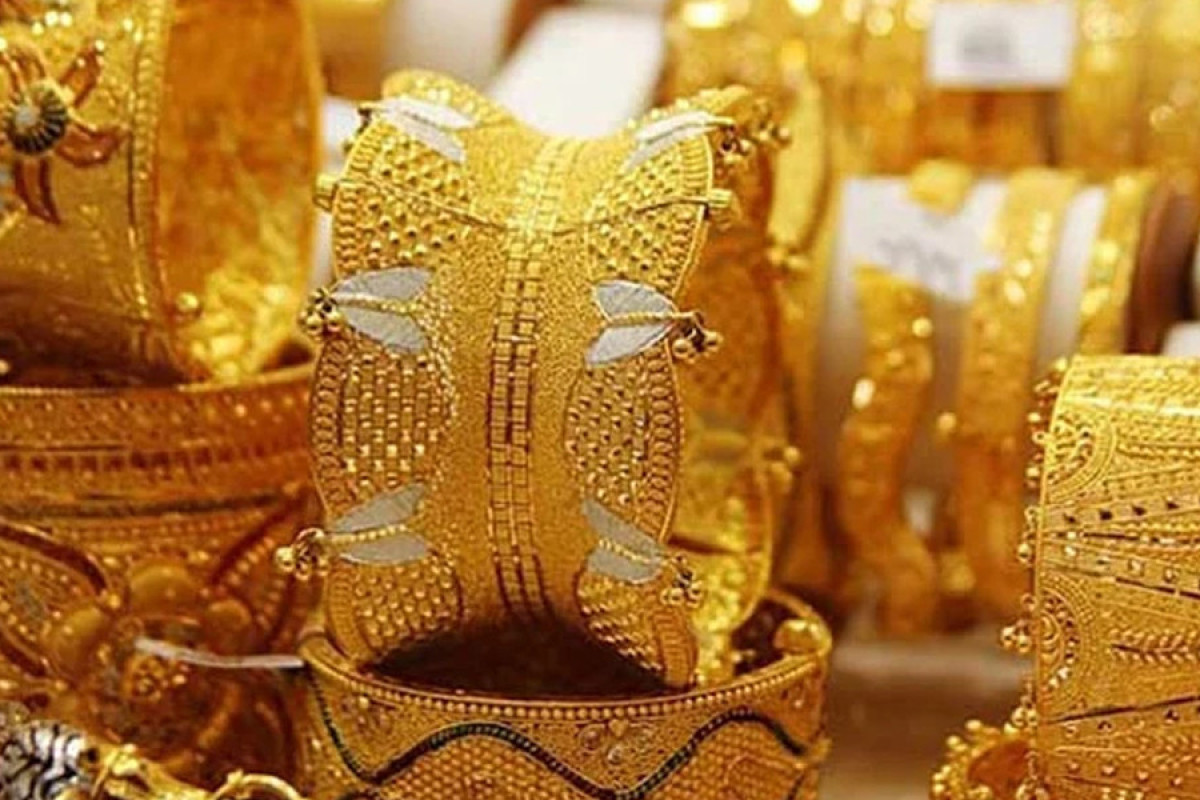
Following the Russia-Ukraine war, central banks around the world have begun reducing their reliance on the US dollar and increasing their gold reserves amid growing economic and geopolitical instability. According to the latest report from the World Gold Council (WGC) and data from various international financial institutions, this trend could lead to significant changes in the global economy in the coming years.
After the war began in 2022, the United States imposed sanctions on Russia, effectively using the dollar as a weapon. This prompted many countries to seek alternatives to the dollar, which in turn increased both demand for and the price of gold. The WGC’s Central Bank Gold Reserves Survey 2025 indicates that 43% of central banks are interested in expanding their gold reserves. In the same survey, 95% of central banks believe they have adequate gold stored in their reserves for the next 12 months.
According to Investor.com, by the end of last year, gold held by central banks globally accounted for about 20% of official reserves—around 36,200 tonnes, up from approximately 15% at the end of 2023. The International Monetary Fund (IMF) estimates that central banks may purchase an additional 900 tonnes of gold this year. Analysts attribute this trend primarily to declining confidence in the US dollar as a reserve currency.
The report particularly highlights the BRICS nations—Brazil, Russia, India, China, and South Africa—as not only seeking alternatives to the dollar but also as major gold buyers. China’s central bank (People’s Bank of China) has increased its gold holdings for the seventh consecutive month. In May, its reserves reached $3.285 trillion.
Despite rising gold prices, analysts say China's consistent gold purchases show how urgently Beijing is acting to reduce its dollar dependency. Another indicator is the country’s decreasing investments in US Treasury bonds. In February, China held $784 billion in US debt securities, which fell to $757 billion by the end of April—a reduction of about $27 billion in just two months.
According to the WGC survey, 47% of central banks currently source gold from both large and small mines. Of these, 37% purchase from large-scale mines, and 16% from smaller ones, with the remainder being acquired through market transactions.
In April of this year, global gold prices hit an all-time high, reaching $3,500 per ounce. At the time of writing this report, gold was priced at $3,250 per ounce. However, financial analysts warn that if central banks continue their aggressive gold buying, prices may rise again.

প্লিজ লগইন পোস্টে মন্তব্য করুন!
আপনিও পছন্দ করতে পারেন

- Jul 06, 2026
Falling Global Oil Prices Raise Concerns Amon...

- Jul 06, 2026
Gold Price Reduced by Tk 3,266 Per Bhori, BAJ...

- Jul 06, 2026
Government Invites Investment to Revive 44 St...

- Jul 06, 2026