- Apr 11, 2026
Central Bank to implement risk-based supervision from Sunday
- Jan 02, 2026
- Business
PNN Staff Report
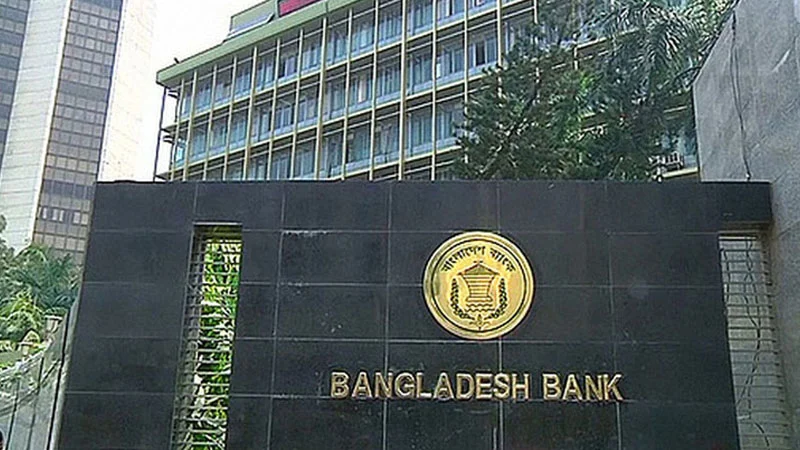
Bangladesh Bank is bringing significant changes to the supervision of banks and financial institutions to strengthen governance and identify risks early. Instead of traditional inspection methods, a risk-based supervision (RBS) system will be implemented.
Under this system, all banks will not be monitored equally; rather, supervision will be intensified or relaxed based on the level of risk of each institution. Although the new system was set to start on January 1, it was delayed due to state mourning following the death of former Prime Minister Khaleda Zia. Bangladesh Bank has announced that the program will officially commence on Sunday.
The structure for risk-based supervision has been finalized, and supervisory departments have been reorganized. Previously, there were 13 departments; now there are 17. Of these, 12 fall under “Bank Supervision,” with responsibilities allocated according to the type and risk of the bank.
Under the new system, the central bank will analyze bank-supplied data, financial indicators, governance structure, and risk management capacity. If necessary, additional information may be requested for verification. Based on supervision results, disciplinary action, removal of managing directors, or dissolution of boards may be taken. In severe crises, bank resolution ordinances may be applied.
Additionally, new departments have been created for technical and digital banking supervision, data management and analysis, policy development for supervision, payment system oversight, and anti-money laundering and counter-terrorist financing. The new anti-money laundering department will closely monitor banks in line with the BFIU model.
Experts say that globally, risk-based supervision has long been used to maintain financial stability and protect depositors. Bangladesh Bank prepared for RBS in 2024 and 2025 and conducted pilot implementations in phases last year.
Under the new system, each bank’s business model, internal governance, and risk management capacity will be assessed, allowing early warning and corrective measures before a major crisis. Bangladesh Bank considers this a preventive measure, enabling identification and correction of weak banks in advance.

প্লিজ লগইন পোস্টে মন্তব্য করুন!
আপনিও পছন্দ করতে পারেন

- Apr 11, 2026
Bangladesh economy may grow to 4%: ADB foreca...

- Apr 11, 2026
Economic pressure increasing, restoring confi...

- Apr 08, 2026
Complete Duty Exemption for Electric School B...

- Apr 08, 2026