- Nov 07, 2026
Bangladesh's Foreign Debt Nearly Triples in a Decade, Exceeding Tk 14 Trillion
- Nov 07, 2026
- Business
PNN News Desk | Dhaka
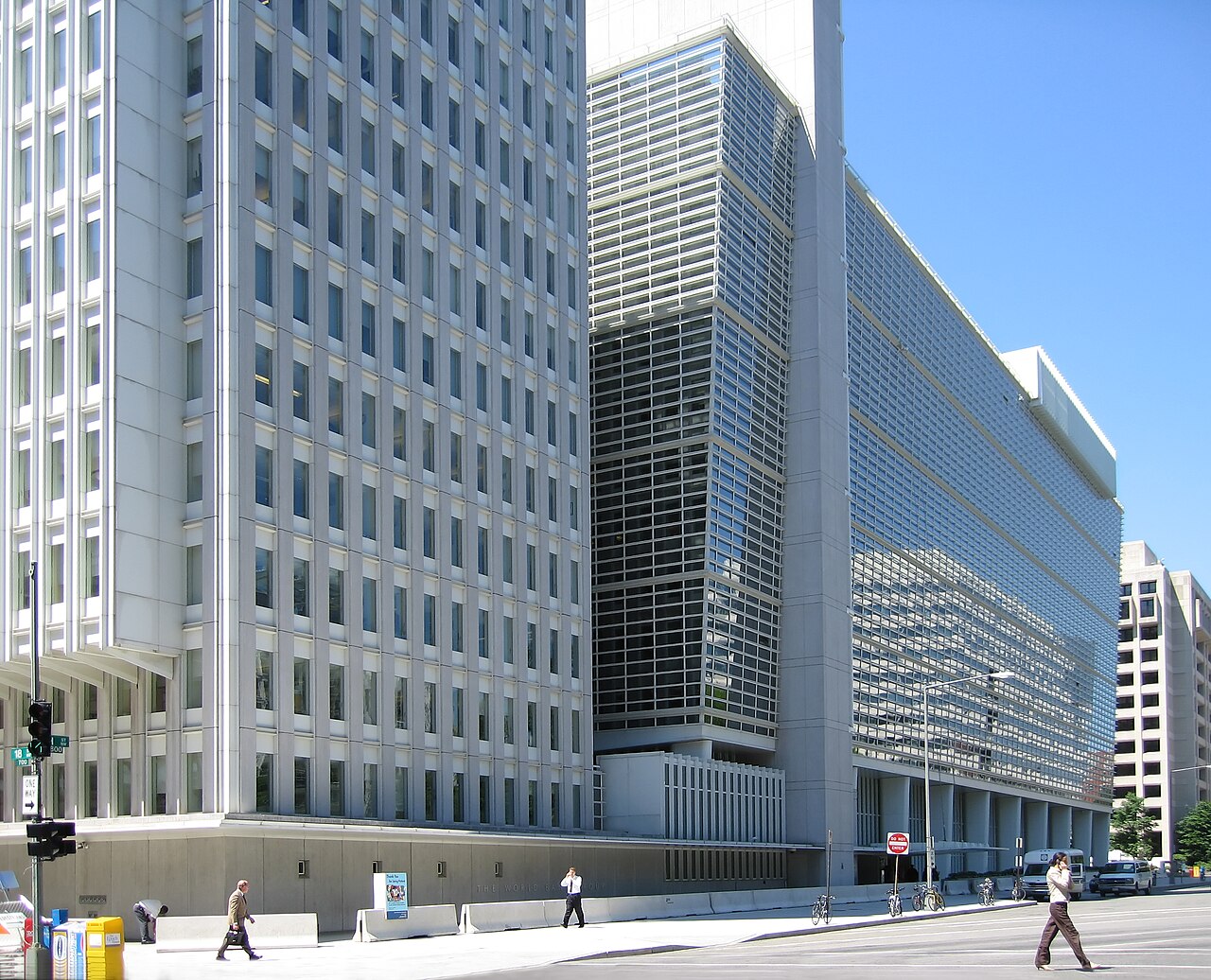
Bangladesh's foreign debt has nearly tripled over the past decade. The country's outstanding external debt stood at $38.77 billion in 2015. By the end of 2025, the amount had increased to $113.43 billion. At an exchange rate of Tk 125 per US dollar, the total debt amounts to approximately Tk 14.18 trillion.
The figures emerged in the World Bank's International Debt Report 2026, which presents an overview of Bangladesh's debt situation. According to the report, the country's total external debt stock increased by 8.6 percent in 2025 compared with 2024. The upward trend continued despite repayments of existing loans and other financial adjustments alongside the acquisition of new loans.
The World Bank report shows that the largest share of Bangladesh's external debt comes from multilateral development partners. The country's outstanding debt to these institutions, including the World Bank and the Asian Development Bank (ADB), stands at $51.14 billion. Of this amount, Bangladesh owes $22.63 billion to the World Bank and $17.51 billion to the ADB.
Bangladesh also has substantial liabilities to bilateral creditor countries. Its total debt to various countries, including Japan, China, India and Russia, amounts to $32.64 billion. Of this, $12.72 billion is owed to Japan and $9.02 billion to Russia.
In addition to government borrowing, the private sector's external debt stands at approximately $10 billion. Bangladesh also has around $15 billion in short-term foreign debt.
Despite the increase in the country's external debt, the World Bank has indicated that Bangladesh's position remains relatively manageable according to several indicators used to assess debt repayment capacity.
According to the report, external debt as a proportion of the country's gross national income (GNI) has reached 24 percent. This represents an increase of approximately six percentage points over the previous year.
On the other hand, the ratio of principal and interest payments on external debt to export earnings has declined to 16 percent. This rate is 3.8 percentage points lower than the previous year. In other words, Bangladesh spends $16 out of every $100 earned from exports on repaying foreign loan instalments and interest. The decline in this ratio is being viewed as a positive indication of the country's debt-servicing capacity.
Alongside the growth in outstanding debt, the cost of repaying foreign loans has also continued to rise. According to information from the Economic Relations Division (ERD), Bangladesh paid $1.10 billion in principal and interest on foreign loans in the 2012-13 fiscal year. The amount increased to $2.01 billion in the 2021-22 fiscal year. In the 2022-23 fiscal year, the repayment cost reached approximately $3 billion.
Most recently, Bangladesh spent approximately $4.5 billion on principal and interest payments for foreign loans in the 2025-26 fiscal year. As a result, the country's external debt repayment burden has increased more than fourfold over 14 years.
Bangladesh could face even greater pressure from foreign debt repayments in the coming years as the repayment periods for loans taken for several major infrastructure and development projects approach.
The repayment schedules for loans associated with the Rooppur Nuclear Power Plant and the construction of the third terminal at Hazrat Shahjalal International Airport are drawing closer. A significant portion of the loan obligations for these projects will have to be repaid to Japan.
Meanwhile, repayment of loans for the Karnaphuli River Tunnel and the Metro Rail project has already begun. Consequently, managing existing debt obligations alongside the acquisition of new loans could become an important challenge for Bangladesh's economy in the coming years.

প্লিজ লগইন পোস্টে মন্তব্য করুন!
আপনিও পছন্দ করতে পারেন

- Nov 04, 2026
First Meeting of Wage Board for Garment Worke...

- Nov 04, 2026
LPG Prices in Bangladesh Higher Than in Neigh...
- Oct 31, 2026
Gold Prices Reduced by Tk 1,633 per Bhori in...
- Oct 31, 2026