- Jul 11, 2026
Questioning Transparency: Is Bangladesh Heading Towards a Non-Competitive Energy Deal?
- Jul 18, 2025
- Business
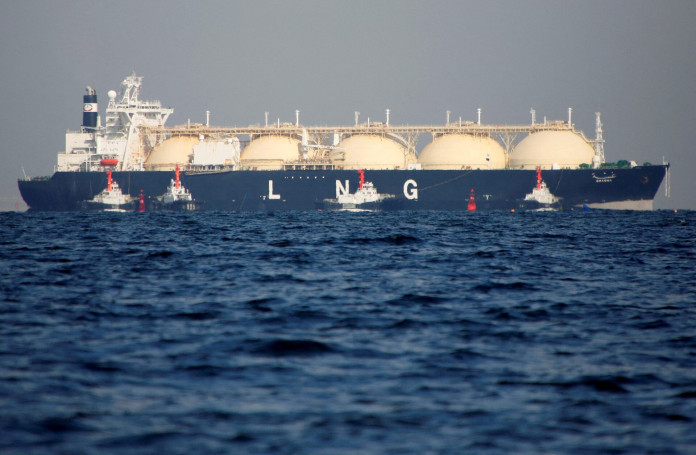
A major energy infrastructure project in Bangladesh has sparked controversy, raising questions about the interim government's commitment to transparency and reforms. Recent reports indicate that the government might proceed with a direct deal with Oman-based OQ Trading International (OQT) for the construction of a Floating Storage and Regasification Unit (FSRU) in Moheshkhali, bypassing a competitive tender process.
According to a Platts report published on July 16, Bangladesh is in advanced discussions with OQT for an FSRU with a capacity of 4.50 million metric tons per annum in Moheshkhali. The proposed project, targeted for implementation by 2027, is considered crucial to address the country's dwindling gas reserves and the increasing demand for LNG imports.
While the expansion of LNG infrastructure is widely acknowledged as urgent and necessary, proceeding with such a high-value and strategic project without any tender process has raised concerns. The Chairman of Petrobangla stated in an interview with Platts that OQT's proposal is being given serious consideration and could play a vital role in enhancing LNG import capacity. He also emphasized the critical need to strengthen LNG import capabilities.
However, the main cause for concern is that OQT is not an experienced entity in this sector. It is primarily a commodity trading company and lacks prior experience in FSRU implementation or operation. The very consideration of a direct deal with such an inexperienced firm has fueled criticism.
Critics argue that this potential direct deal with OQT could violate the government's own policies. Earlier this year, the interim government repealed the Speedy Supply of Electricity and Energy (Special Provisions) Act, 2010, which for a long time allowed fast-track and non-tendered procurement in the energy sector. Many saw the repeal of this law as a significant step towards re-establishing competitive bidding and accountability in the infrastructure sector.
An energy sector analyst, who wished to remain anonymous, commented that if the government signs a direct agreement with OQT without a formal tender, it would effectively nullify the very purpose of repealing the special law. He stated, "This will not only harm transparency but also set a dangerous precedent for future large projects."
A Dhaka-based energy law expert further clarified, "Such backdoor discussions—especially with a comparatively inexperienced trading firm—not only disregard the country's existing regulatory framework but also deprive the public of cost savings and innovation opportunities achievable through a competitive tender process."
Experts believe that if this deal is indeed finalized without a tender, it will cast a significant shadow over the government's commitment to transparency and good governance.
Source: Platts LNG Daily

প্লিজ লগইন পোস্টে মন্তব্য করুন!
আপনিও পছন্দ করতে পারেন


- Jul 06, 2026
Falling Global Oil Prices Raise Concerns Amon...

- Jul 06, 2026
Gold Price Reduced by Tk 3,266 Per Bhori, BAJ...
- Jul 06, 2026
Government Invites Investment to Revive 44 St...

- Jul 06, 2026