- May 11, 2026
New controversy over Tesla Cybertruck, risk of wheel detachment
- May 11, 2026
- Technology
Staff Report: PNN
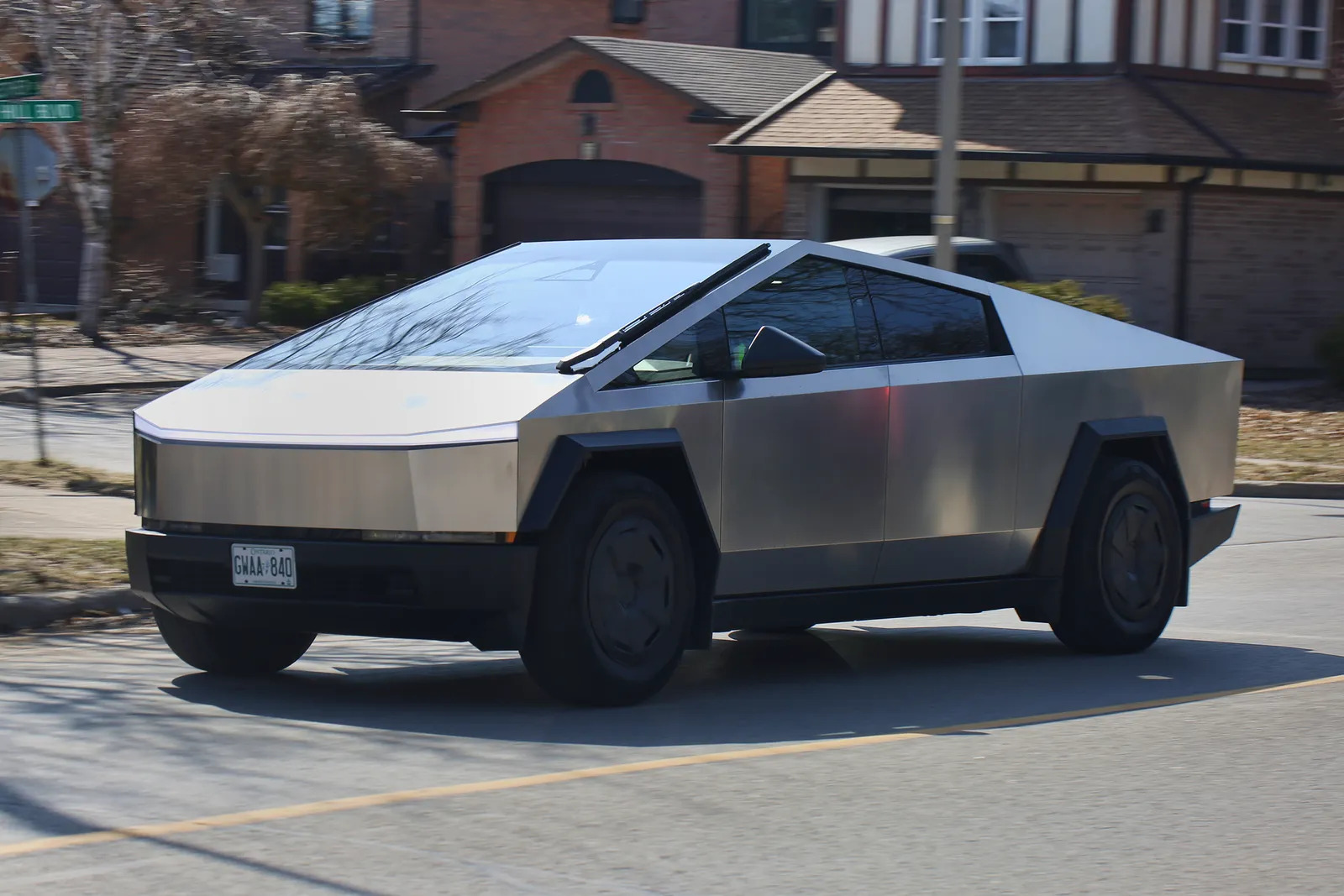
US electric vehicle manufacturer Tesla has once again announced a recall of its much-discussed Cybertruck model. This time, the issue is related to the wheels and braking system, raising safety concerns.
In documents submitted to the US National Highway Traffic Safety Administration (NHTSA), Tesla said that cracks may form in the brake rotor stud holes used in some rear-wheel-drive (RWD) Cybertrucks. This may create a risk of the wheel separating from the hub.
According to the company, cracks may form in the stud holes due to excessive pressure during driving on uneven roads or sharp turns. Over time, these cracks may expand, increasing the risk of wheel detachment, which could lead to accidents.
A total of 173 Cybertrucks are included in this recall. Tesla will replace the wheel hub, brake rotor, and lug nuts free of charge.
Experts say the main cause of the issue was incorrect grease usage. A type of grease used on the lug nuts did not create the required friction. Over time, this caused loosening and vibration, eventually leading to cracks in the brake rotor.
Automotive analyst Sean Tucker said that even a small change in a vehicle component can create major safety risks. He said the issue occurred because instructions regarding grease change did not reach the production department in time.
This is Tesla’s 11th recall for the Cybertruck. Previously, almost all Cybertrucks had to be recalled due to incorrect adhesive used on steel trim panels. There were also complaints of rust appearing on the stainless steel body.
Although the number of recalls is small, some believe Cybertruck production and sales are lower than expected. However, analysts say the issue is limited to specific vehicles using parts from a particular production period.
Market analysis shows that although initial interest in the Cybertruck was very high, sales have not met expectations. Tesla CEO Elon Musk once claimed over 1 million bookings, but later reports showed that only around 46,000 Cybertrucks were sold in the first 14 months after launch.

প্লিজ লগইন পোস্টে মন্তব্য করুন!
আপনিও পছন্দ করতে পারেন

- May 09, 2026
Investigation into Robotaxi Accident Begins i...

- May 09, 2026
Cyberattack Disrupts Universities in the US a...

- May 09, 2026
Huge AI Data Center in the USA Sparks Debate,...

- May 08, 2026