International Desk: PNN
The war, occupation, and destruction of infrastructure in Ukraine’s southeastern Sea of Azov region have led to a deep humanitarian and economic crisis. After Russia’s full-scale invasion in 2022, the entire coastline of the Sea of Azov came under Moscow’s control, causing severe damage to Ukraine’s economy.
Maria Bubnova, a displaced businesswoman from Mariupol, said the Sea of Azov was once a place of joy in her life, filled with memories of boating with friends. Now, that region has been lost due to war and occupation.
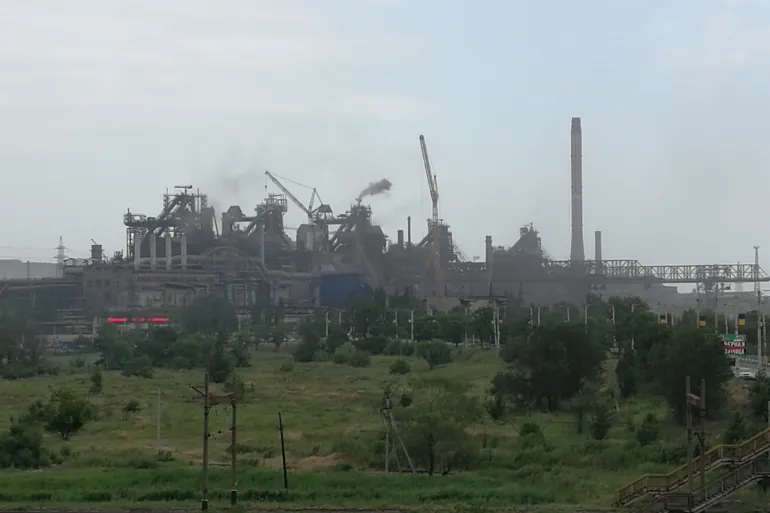
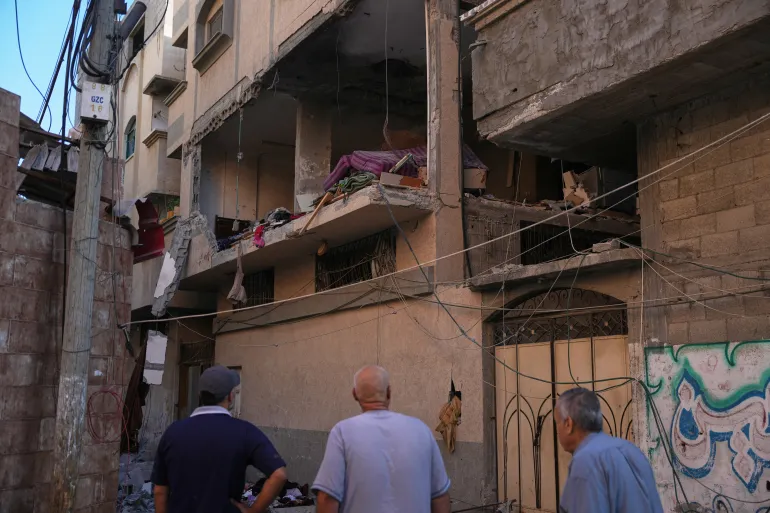
Since the 2014 annexation of Crimea, tensions in the Azov region had been rising. After the 2022 invasion, Mariupol and surrounding coastal areas were heavily attacked. The city’s industrial facilities, especially the steel sector, were severely destroyed.
Local sources say hundreds of thousands of people have been displaced from Mariupol, and many industrial enterprises have become completely non-functional.
Economic analysts estimate that the loss of the Sea of Azov region has caused a reduction of around 10–12% of Ukraine’s GDP. Major impacts have also been seen in minerals, energy, and coal sectors. Some studies suggest the total damage could reach trillions of dollars.
Russia has declared the region its “internal sea” and is developing infrastructure, including road and rail networks. However, Ukrainian experts argue that these developments are largely political and propagandistic rather than economically beneficial.
Restoring destroyed industries and human capital is considered extremely difficult. Many displaced families have moved to other parts of Ukraine or Europe, creating a shortage of skilled labor.
Experts also warn that if future projects such as a canal connecting the Azov Sea to the Caspian Sea are implemented, the geopolitical importance of the region could increase further, complicating Ukraine’s strategic position.
Overall, the Sea of Azov is no longer just a geographical region—it has become a major center of war, displacement, and geopolitical rivalry.