- Jun 15, 2026
From Gujarat to California: India’s first chip export marks semiconductor journey
- Dec 18, 2025
- Technology
Staff Report: PNN
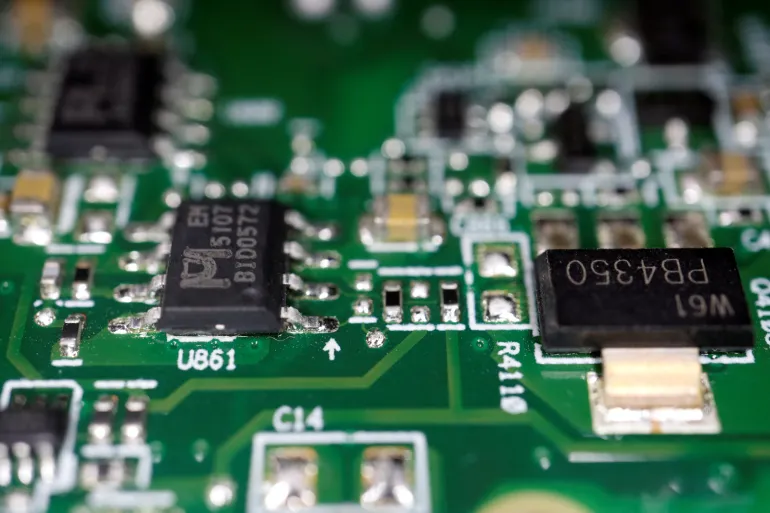
In October, a small electronics manufacturer in Gujarat, a western state of India, exported chip modules to a client in California for the first time.
Kaynes Semicon, in collaboration with Japanese and Malaysian technology partners, produced the chips at its new factory. This initiative is part of the $10 billion semiconductor package announced by Prime Minister Narendra Modi in 2021.
Modi’s goal is to position India as an additional manufacturing hub, enabling global companies to expand production outside China. As part of this plan, the country’s first commercial chip foundry is under construction in Gujarat. The $11 billion project will use technology from Taiwan’s Powerchip Semiconductor Manufacturing Corporation (PSMC) and includes U.S. chip giant Intel as a potential customer.
The foundry will produce chips ranging from 28 nanometers (nm) to 110 nanometers, known as “mature chips.” These chips are generally used in automobiles, industrial equipment, and consumer electronics. Although not cutting-edge, they are essential for a large portion of global demand.
Kaynes Semicon’s batch export has introduced India into the chip ATP (Assembly, Testing, Packaging) sector, which requires comparatively lower investment and technical knowledge. This move not only meets domestic and international demand but also establishes India as a key player in the global supply chain.
Experts note that India still has a long way to go in achieving advanced chip technology. For sub-28 nm chip production, foreign collaboration is essential. However, government incentives and technical partnerships are accelerating progress.
In addition, ATP initiatives by Tata Group and Murugappa Group are ongoing. Tata Group has partnered with Intel, which will help meet domestic demand in the coming year. Analysts believe India’s efforts will strengthen its global position and increase competition in chip-dependent industries. Success will require liberal government policies, foreign investment, and advanced technology.
The global chip market is becoming increasingly competitive, and India aims to establish itself as a significant player.

প্লিজ লগইন পোস্টে মন্তব্য করুন!
আপনিও পছন্দ করতে পারেন


- Jun 15, 2026
UK Prime Minister Announces Ban on Social Med...

- Jun 13, 2026
Anthropic Shuts Down Two Advanced AI Models F...

- Jun 13, 2026
Growing Frustration Within Meta’s AI Team as...

- Jun 12, 2026