- Jun 27, 2026
Caught Between Russia and the U.S., Modi Faces Pressure: Trump Threatens Punitive Tariffs Over Indian Oil
- Aug 06, 2025
- International
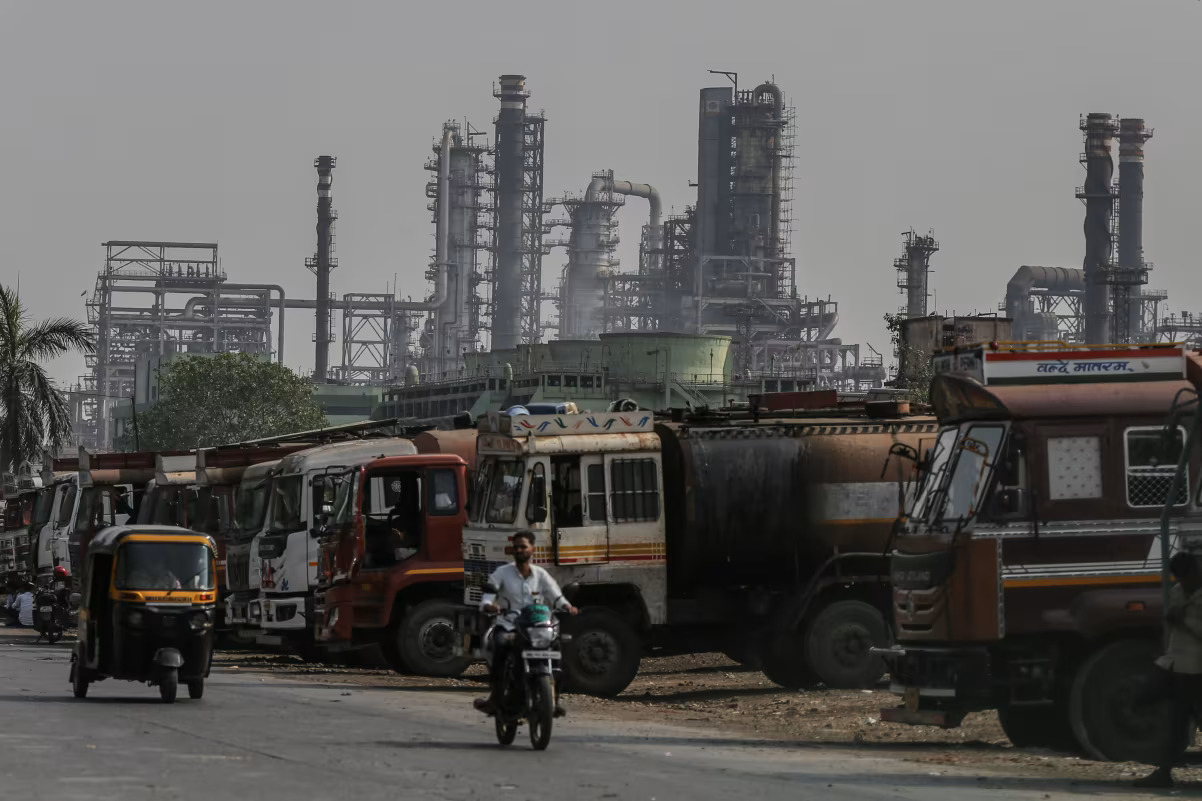
Indian Prime Minister Narendra Modi is navigating a complex diplomatic balancing act—on one hand, maintaining close ties with former U.S. President Donald Trump, while also preserving a deep relationship with Russian President Vladimir Putin. However, India’s neutral stance amid the Ukraine war and ongoing Western sanctions against Russia is becoming increasingly uncomfortable for Washington.
In a recent interview, Trump issued a stern warning: India could face a "significant tariff hike within the next 24 hours" due to its continued purchase of discounted Russian oil despite the ongoing conflict. Although India’s energy policy has followed this path for years, Trump’s sudden hardline stance has sparked widespread international debate.
Trump had previously imposed a minimum 25% tariff on Indian goods. Now, citing India's energy and defense trade with Russia, he said, “When the whole world wants Russia to stop the killings in Ukraine, India and China are acting as Russia’s biggest lifeline—this is unacceptable.”
India, however, insists it has taken no sides and is acting in its national interest by preserving autonomy in its energy policy. Modi’s administration has called such tariff threats “unfair and discriminatory.” In a statement, India’s Ministry of External Affairs said, “The U.S. and European Union themselves continue to import fertilizers and chemicals from Russia. Pressuring only India is a one-sided approach.”
Analysts note that as the world’s fourth-largest economy, India is no longer willing to bow easily to external pressure. However, prolonged trade tensions could negatively impact diplomatic relations between the two nations.
Since the onset of the Russia-Ukraine war, while the West has imposed severe sanctions on Russia, India has maintained its oil imports—bolstering its foreign exchange reserves but also subjecting itself to growing international scrutiny.
Now, the durability of the once-friendly relationship between Trump and Modi is under question. With Trump potentially returning to the White House, India may be forced to adopt a balanced strategy—one that preserves ties with Russia while avoiding jeopardizing its bilateral relationship with the U.S.
This is not just about oil—it’s a critical test of India’s international positioning and geopolitical strategy.
প্লিজ লগইন পোস্টে মন্তব্য করুন!
আপনিও পছন্দ করতে পারেন
- Jun 27, 2026
Severe Heatwave Across Europe Due to Climate...
- Jun 27, 2026
Venezuela Earthquakes Kill More Than 900, Tho...
- Jun 27, 2026
Renewed U.S.–Iran Tensions in the Strait of H...
- Jun 20, 2026