- Jun 04, 2026
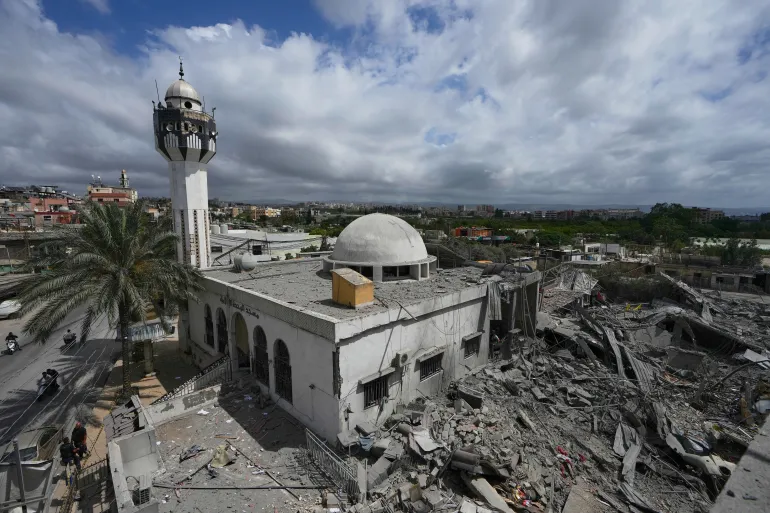
War, economy, and reality pressure: deep crisis affecting daily life in Lebanon
- May 22, 2026
- International
International Desk: PNN
A story of a simple barbershop in Beirut, the capital of Lebanon, has now become a reflection of the country’s broader economic and social reality. Barber Mario Habib, who opened his shop in 2006, has been going through repeated conflicts and crises. He is now facing another economic crisis due to the ongoing war situation.
This crisis in Lebanon is not limited to individual hardship; analysts say it is affecting the entire national economy. Ongoing conflict, political instability, and regional war conditions have created severe pressure on business and employment.
Local sources report that fuel and essential commodity prices are rising rapidly due to war and supply chain disruptions. In particular, fuel shortages have worsened due to disruptions in oil supply from the Gulf region, increasing electricity production costs and making daily life more difficult for ordinary people.
Economists say the country is currently in a situation where the impact of war has combined with previous economic crises, creating a complex situation. The 2019 banking crisis, currency depreciation, the 2020 Beirut port explosion, and subsequent political instability have kept Lebanon’s economy under long-term pressure.
According to the World Bank, although some economic growth was recently observed, renewed conflict has almost stalled that progress. Many experts believe that if the war continues, the country’s economic growth could fall close to zero next year.
Business owners say rising costs are making it difficult to sustain operations. Still, some are trying not to increase prices in order to provide relief to customers, highlighting the struggle of small businesses.
Reports suggest that millions of people have been displaced due to ongoing conflicts in different regions of Lebanon. The agriculture, trade, and tourism sectors have been hit hardest, directly affecting low-income populations.
Analysts say the situation is not only economic but also increasing social divisions. Displacement, unemployment, and regional tensions are creating new fractures in society, which could lead to an even larger crisis in the future.
Economists have warned that if the current situation continues, Lebanon’s economy risks becoming effectively paralyzed, with investment and business operations becoming increasingly uncertain.

প্লিজ লগইন পোস্টে মন্তব্য করুন!
আপনিও পছন্দ করতে পারেন

- Jun 04, 2026
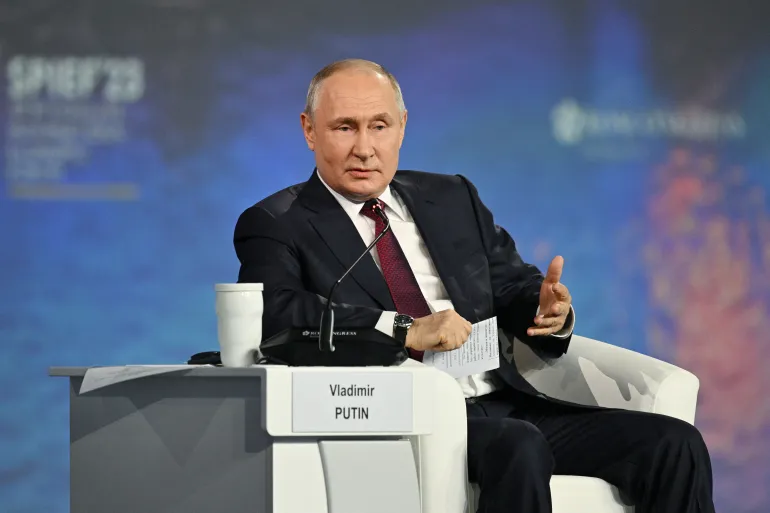
St. Petersburg Economic Forum Begins with Par...
- Jun 04, 2026
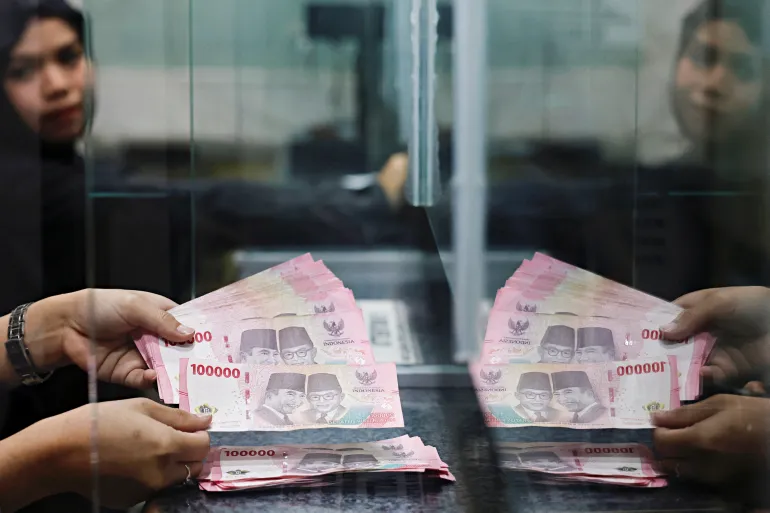
Indonesian Rupiah Falls to Its Weakest Level...
- Jun 04, 2026
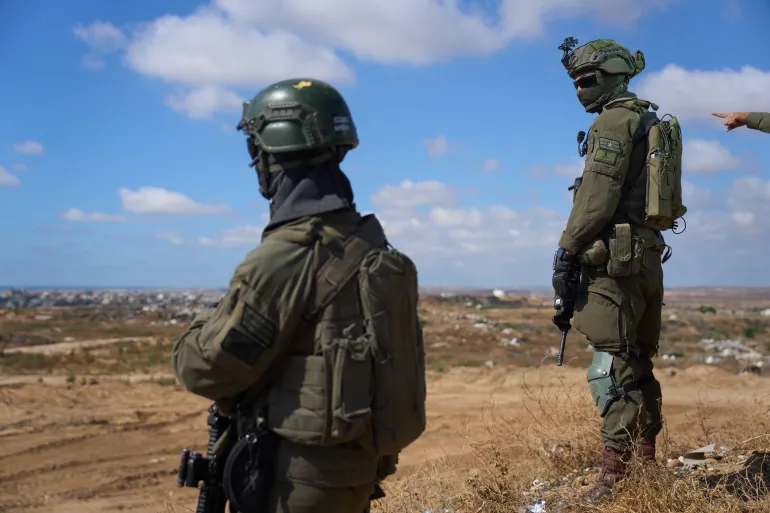
Israel Expands Military Positions Further Ins...
- May 26, 2026