- Apr 04, 2026
China Objects to Meta’s $2 Billion Acquisition of Mana
- Jan 07, 2026
- Technology
Staff Report: PNN
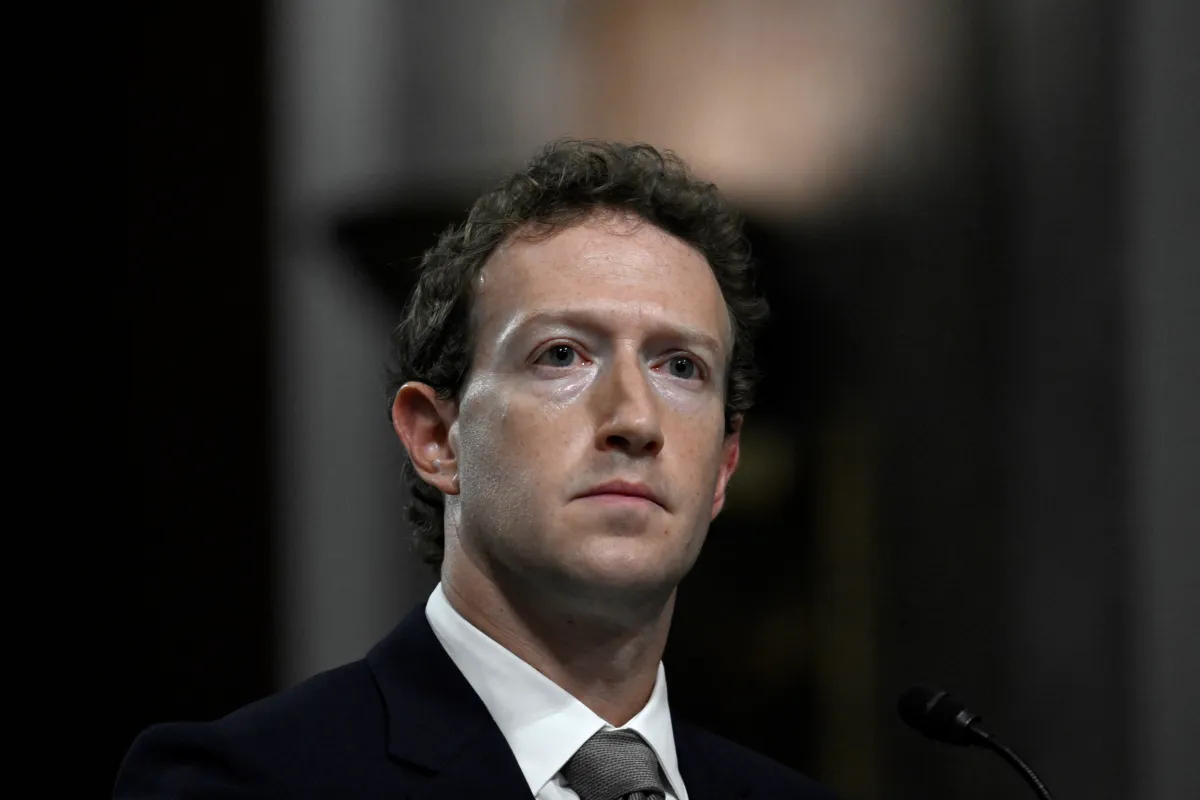
After announcing the $2 billion acquisition of AI-based assistant platform Mana, Meta, Facebook’s parent company, has encountered regulatory complexities. However, the obstacles come not from the United States, but from Chinese regulatory authorities.
According to a Financial Times report, Chinese regulators are reviewing whether Meta’s deal with Mana violates China’s technology export control laws. The main issue is whether proper approvals or export licenses were obtained when Mana relocated its main team and operations from Beijing to Singapore.
Earlier this year, venture capital firm Benchmark invested in Mana, sparking controversy. Several U.S. politicians questioned American investment in Chinese AI companies. The U.S. Treasury also began reviewing the matter in light of new investment regulations. Subsequently, Mana gradually moved operations from China to Singapore.
Now, Chinese officials are concerned that if the Meta deal succeeds, it may encourage more Chinese AI startups to move abroad. Winston Ma, a professor at NYU School of Law and partner at Dragon Capital, said that if the acquisition is completed, it could open new opportunities for young Chinese AI entrepreneurs.
China has a precedent of enforcing technology export laws. During former U.S. President Donald Trump’s administration, attempts were made to ban TikTok using a similar strategy. A Chinese professor warned on WeChat that transferring sensitive technology abroad without approval could result in criminal liability for Mana’s founders.
Meanwhile, some U.S. analysts see the deal as a success of Washington’s investment restrictions. They believe it demonstrates that Chinese AI talent is gradually shifting toward the U.S. technology environment.
Under these circumstances, it is still uncertain whether Meta can integrate Mana’s AI agent technology into its various products. Analysts suggest that what seemed like a straightforward $2 billion deal is, in reality, much more complex.
প্লিজ লগইন পোস্টে মন্তব্য করুন!
আপনিও পছন্দ করতে পারেন
- Apr 04, 2026
AI companies’ race in private stock market: A...
- Apr 03, 2026
Amazon Imposes 3.5% Fuel Surcharge Due to Ira...
- Apr 03, 2026
Private Sector Dominance in Moon Missions, NA...
- Apr 02, 2026